Good kitchen waste management works in layers — and storage is the middle layer most people skip. The planning decisions happen before you shop. The composting and gardening happen after. But storage is what keeps scraps in play between those two points, which means it's where a lot of potential value either gets captured or lost.
This guide covers the containers, habits, and top-rated products that make kitchen waste storage painless — from the freezer scrap bag that pays for itself in stock, to countertop compost bins that don't smell, to the simple tweaks that get weeks more life out of fresh herbs and produce.
The Freezer Scrap Bag: Start Here
If you cook vegetables regularly and you're not already doing this, it's the highest-return habit on this entire list. A dedicated bag in the freezer collects vegetable scraps as you cook. When it's full — usually one to two weeks of regular cooking — you simmer the contents with water for anywhere from forty-five minutes to two hours — the longer it goes, the deeper the flavor — then strain, and you have vegetable stock. The cost is essentially zero. The result is something you'd otherwise pay four dollars for at the store.
The habit only works if the bag is accessible. Keep it near the front of the freezer, not buried. Here's exactly what to put in — and what to leave out:
- Yellow or white onion skins and ends
- Carrot peels and tops
- Celery leaves and ends
- Leek greens
- Mushroom stems
- Herb stems (parsley, thyme, bay)
- Corn cobs
- Garlic skins
- Tomato cores and skins
- Parmesan rinds (adds depth)
- Broccoli and cabbage — bitter
- Brussels sprouts — overpowering
- Beets and red onions — turn everything red
- Artichoke — muddy flavor
- Starchy potato peels — cloudy stock
- Anything moldy or slimy
- Strongly seasoned scraps
Silicone bags work better than zip-locks here — they stand upright in the freezer, are easy to clean, and last for years.

Countertop Compost Bins: Making Collection Effortless
The most common reason people stop composting isn't the outdoor pile — it's the indoor collection step. Scraps pile up on the counter, attract fruit flies, or start to smell before you empty them. A purpose-built countertop bin solves all three problems if you pick the right one.
What actually matters: a tight-fitting lid, a charcoal filter insert to absorb odors between empties, and a material that doesn't hold smells — stainless steel and ceramic both outlast plastic significantly. Size matters too: you want two to three days of scraps max before it needs emptying.

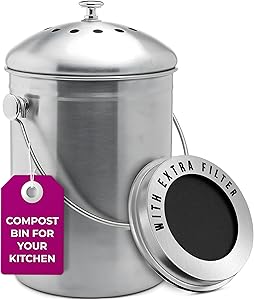

Empty it often. Every one to two days in warm weather, every two to three in cool months. The more often you empty it, the less the filter has to work — and the longer it lasts before needing replacement.
Storing Fresh Herbs So They Actually Last
Fresh herbs are one of the most consistently wasted items in a home kitchen — most recipes call for a tablespoon from a bunch that yields ten. Almost all of the difference comes from how you store them. The crisper drawer is the wrong place for most herbs.
Cilantro, parsley, mint, dill — trim the stems and stand them upright in a jar with an inch of water, like cut flowers. Cover loosely with a bag and refrigerate. Basil does better at room temperature.
Rosemary, thyme, sage, oregano — wrap loosely in a slightly damp paper towel, place in a zip-lock or reusable bag, and store in the crisper drawer.
If you won't use the rest before it goes, chop and freeze in a silicone ice cube tray with water or olive oil. Pop out as needed — works well for cooked dishes.
If you want a cleaner solution than a jar and bag, the Prepara Herb Savor Eco keeps stems in water in the fridge with a proper cover. 4.4 stars across 3,278 reviews. Worth it if herbs are a recurring loss in your kitchen.
View on Amazon →Produce Storage: Where Things Actually Go
The biggest source of produce waste in most kitchens isn't buying too much — it's storing things in the wrong place. Cold and moisture damage some produce; others need exactly that to stay fresh. Here's the reference most people wish they had on the inside of their fridge door:
| Fridge (crisper) | Counter (room temp) | Dark & dry (pantry) |
|---|---|---|
| Leafy greens, herbs (soft), broccoli, cauliflower, carrots, celery, berries, grapes, cut fruit | Tomatoes, basil, bananas, stone fruit (until ripe), citrus, pineapple, avocado (until ripe) | Onions, garlic, shallots, potatoes, sweet potatoes, winter squash, cured garlic |
A few rules worth knowing: onions and potatoes stored together will cause both to sprout and spoil faster — keep them separate. Ethylene-producing fruits (apples, pears, bananas) will speed ripening in everything nearby, so keep them away from vegetables you want to last.

The Fastest Wins
If you're starting from scratch, don't try to implement all of this at once. These four changes in order will have the most impact:
- Start a freezer scrap bag this week — one bag, front of the freezer, commit to making one batch of stock from it
- Get a countertop compost bin with a charcoal filter — the collection step is what makes or breaks composting at home
- Switch soft herbs to the stems-in-water method — takes thirty seconds to set up and immediately reduces one of the most common recurring waste items
- Move onions, garlic, and potatoes out of the fridge — a dark pantry spot is all they need, and it frees up crisper space for things that actually need cold
For everything that can't be used or stored — peels, spent scraps, coffee grounds — the next step is composting. The full setup guide is here: how to make compost using kitchen waste.
See what's in your fridge before you shop.
MyRecipeHQ tracks your pantry and flags what's expiring — so you use what you have before buying more.
Frequently Asked Questions
How long can I keep a freezer scrap bag before using it?
Most vegetable scraps hold well in the freezer for up to three months. One to two weeks is the natural collection cycle for most households cooking four or five nights a week — you'll fill the bag before quality becomes an issue.
Do I really need a special compost bin or will any container work?
Any container with a lid works for short-term collection. The real advantage of a purpose-built bin is the charcoal filter, which makes a noticeable difference in odor control between empties. A bowl with a lid is a perfectly fine starting point — upgrade when you're ready.
What's the best way to store citrus peels if I want to use them later?
Freeze them. Citrus peels freeze well and can be used later for zest, infused vinegar, or composting. Spread them on a tray first to freeze individually, then transfer to a bag so they don't clump together into one solid mass.